
mens jeans fit guide
Understanding Key Fit Measurements
Measure waist, hips, thighs, and inseam to match body shape․ Waist should sit at natural waist or slightly higher․ Hip width determines flare․ Thigh circumference guides cut; a snug thigh keeps shape․ Inseam length ensures proper leg length for comfort․ Use a tape for precise fit and match charts
Waist and Hip Proportions
When selecting jeans, the waist and hip measurements are critical․ The waist should sit at the natural waist or slightly higher, while a mid‑rise stays at the natural waist and a high‑rise sits above the hips․ Measure the waist with a flexible tape at the narrowest part of the torso; hip measurements are taken at the fullest part of the buttocks, usually 8–10 inches below the waist․ The hip width determines the flare or straightness of the leg; a wider hip requires a slightly larger leg opening to maintain balance․ Matching the hip measurement to the jean’s cut prevents a boxy silhouette and keeps the garment looking tailored․ Many brands provide a waist‑to‑hip ratio chart; a ratio of 0․75–0․80 typically works for most men, indicating the hip circumference should be 75–80% of the waist circumference․ Stretchy denim can accommodate variations in hip width, but rigid fabrics will show any mismatch․ If your hips are wider than your waist, look for a cut with a more generous leg opening or a relaxed fit․ Always try on a pair in the size you plan to purchase, as some brands run small or large․ Pay attention to how the jeans sit at the hips: they should hold without pulling or gaping, and the fabric should drape over the hips and thighs․ Check the inseam length to ensure the jeans fall above the shoe․ By carefully measuring and comparing these key proportions, you can choose a pair of jeans that fits both the waist and hips, ensuring a balanced, stylish look that complements your body shape․

Thigh and Knee Fit
Thigh circumference is measured at the widest part of the upper leg, just below the hip․ Knee width is measured at the narrowest part of the lower leg․ These measurements determine how the jean sits on the thigh and knee․ A snug thigh should feel secure but not constricting, allowing a full range of motion․ For athletic builds, a slightly looser thigh provides comfort during squats and lunges․ Knee fit is crucial for a clean break; the leg opening should taper to the knee without pulling the fabric․ If the knee is too tight, the jean may flare or distort when walking․ When trying on jeans, stand straight and bend a knee; the fabric should not bunch or create a visible seam․ Check the leg opening against the shoe; it should sit comfortably above the shoe without dragging․ For very tightercuts, the thigh and knee measurements require a 2–3 inch difference between thigh and knee․ In contrast, relaxed or straight cuts maintain a more uniform width․ If the chart shows a thigh of 22 inches and a knee of 20 inches, the difference indicates a tapered fit․ Use a flexible tape and a mirror to ensure the jeans sit evenly on both sides․ Proper thigh and knee fit not only enhances comfort but also extends the life of the denim by reducing stress on seams and hems․ By paying close attention to these measurements, you can choose jeans that complement your leg shape and activity level, ensuring a flattering silhouette and lasting durability․
Leg Opening and Inseam Length
Leg opening refers to the circumference at the bottom hem of the jean, measured around the widest part of the ankle․ Inseam length is the distance from the crotch seam to the bottom of the leg․ Together they dictate how the jeans sit on the foot and whether they create a clean break or a tapered look․ A standard 32‑inch inseam is common for average height, but taller or shorter frames may require 34 or 30 inches respectively․ When selecting a leg opening, consider the shoe style: a 4‑inch opening works well with sneakers and loafers, while a 2‑inch cut is ideal for boots or a more tailored appearance․ For a relaxed fit, the opening should be larger, offering room for movement and preventing the fabric from pulling at the ankle․ In contrast, a skinny or slim cut typically has a 2‑3 inch opening, creating a streamlined silhouette that follows the foot shape․ To measure accurately, lay the jeans flat and use a flexible tape to wrap around the widest part of the ankle․ For inseam, measure from the top of the crotch seam down to the hem, ensuring the tape stays straight and not twisted․ Adjusting inseam length can be done at home by cutting the hem․ now today?!

Choosing the Right Fit Style
Decide between slim, straight, relaxed, skinny, tapered, or classic cuts based on body shape and lifestyle․ Slim offers a close‑to‑body look, straight provides balance, relaxed gives room, skinny delivers a modern edge, and classic keeps timeless comfort․
Slim, Straight, and Relaxed Silhouettes
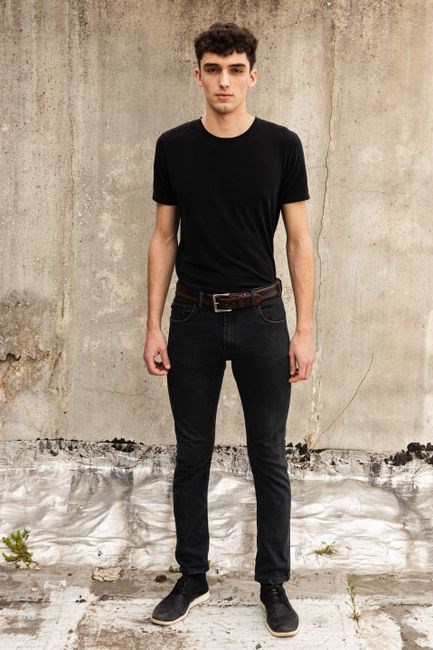
When selecting a silhouette, consider how the cut interacts with your proportions․ Slim jeans taper from waist to knee, offering a streamlined appearance that accentuates a lean torso but can feel restrictive if your thighs are thicker․ Straight cuts maintain a uniform width from waist to hem, providing a balanced look for average builds and a forgiving fit for those who prefer a classic style․ Relaxed silhouettes feature a looser fit through the hips and thighs, ideal for athletic or broader frames; they allow freedom of movement while still maintaining a clean line․ Each style’s rise—low, mid, or high—further influences comfort and visual length․ Low‑rise options sit below the natural waist, creating a modern, casual vibe but may shift during activity․ Mid‑rise sits at the natural waist, offering stability and versatility․ High‑rise styles elevate the waistline, elongating the legs and flattering slimmer silhouettes․ When trying on jeans, assess the seat, thigh, and leg opening to ensure the chosen cut complements your body type and lifestyle․ Pairing the right silhouette with appropriate washes and fabric blends can enhance both fit and durability․
Fabric composition also plays a role; a higher denim weight offers structure, while lighter blends provide breathability․ Additionally, the placement of stitching—such as a reinforced seat or a subtle seam at the knee—contributes to longevity․ Finally, personal preference for a raw or pre‑washed finish can influence the overall aesthetic, allowing you to tailor the look to your wardrobe․
When paired with accessories, the silhouette can elevate a look into so a bold statement․
Skinny, Tapered, and Modern Cuts

Skinny jeans cling from waist to ankle, giving a streamlined look that flatters slim or athletic frames․ Tapered styles start looser through the thigh and slim toward the ankle, blending comfort with a contemporary edge․ Modern cuts mix these elements: a relaxed waistband for ease, yet tapering enough to showcase a refined profile․ Key measurements include a precise waist fit, thigh circumference that allows movement, and an inseam that matches height․ The rise—low, mid, or high—determines how the jeans sit on the hips and can change overall length․ Low‑rise options sit below the natural waist, offering a trendy feel but may shift during activity․ Mid‑rise sits at the natural waist, providing stability, while high‑rise styles elevate the waistline, elongating the legs․ Washes range from raw, unbleached denim for a rugged look to pre‑washed or distressed finishes for a casual vibe․ To ensure the perfect fit, try the jeans on with the shoes you plan to wear, checking for any bunching at the hips or dragging at the ankles․ Ultimately, the best modern cut aligns the garment’s proportions with your body shape, ensuring comfort and a polished appearance․ Enjoy․!
Accurate measurements guide every choice, from waist to inseam, ensuring jeans complement your shape and lifestyle․ A precise fit balances style, comfort, and confidence․ Here!
Jeans, often labeled “regular” or “straight,” maintain a timeless silhouette that balances comfort and style․ They sit at the natural waist, offering a relaxed fit through the hips and thighs before tapering gently toward the ankle․ Retro cuts—think 70s flares or 80s bootcut—add a nostalgic flair, widening at the knee or opening to accommodate boots or high‑waisted tops․
When selecting a classic or retro pair, pay close attention to the rise and leg opening․ A low‑rise cut can feel modern but may shift during movement, whereas a high‑rise keeps the jeans firmly in place and elongates the leg․ The leg opening should be wide enough to allow comfortable movement yet narrow enough to avoid a baggy look․ Fit guides help you pick the right cut․
To achieve the best fit, measure your waist, hips, and inseam, then compare those numbers to the brand’s size chart․ Try on a few pairs with the shoes you’ll wear most often; this helps gauge how the jeans sit at the ankle and whether the hem feels snug or loose․ If the fit isn’t perfect, consider tailoring—trimming the hem or adjusting the rise—to bring the jeans into harmony with your body․ Classic and retro styles thrive on simplicity, so keep accessories minimal and let the denim speak for itself․ Pick the right rise for your height․ Pair with matching shoes․ style

Body Type Specific Guidance
For athletic builds, choose a slim or tapered cut that highlights lean legs; add a mid‑rise for stability․ Curvy frames benefit from a relaxed or straight cut with a higher waist to balance hips․ Petite men should opt for a shorter inseam and a low‑rise to avoid bulk

Adjustments for Athletic Builds
When selecting denim for a muscular frame, precision in waist, thigh, and leg shape is essential․ A mid‑rise or slightly higher cut keeps the hips and thighs in proportion, preventing the jeans from looking too loose․ Opt for a slim or tapered silhouette that hugs the calves without constricting movement․ The thigh circumference should be measured at the widest point; a cut that allows a 2‑4 inch allowance above the thigh ensures comfort during squats or leg lifts․ Inseam length is critical: a slightly longer inseam can accommodate a taller, leaner build, while a shorter inseam may be necessary for those with a more compact lower body․ Fabric weight matters; a medium‑weight denim with a small amount of elastane provides stretch for active use while maintaining structure․ If the jeans feel tight at the knee, consider a slight break or a relaxed knee cut․ Tailoring can refine the fit: a hem adjustment can elongate the leg line, and a slight taper at the ankle can create a cleaner finish․ Always test the jeans in motion—walk, sit, and squat—to ensure they accommodate dynamic movement․ Brands that focus on performance denim often include a “performance stretch” feature, which is ideal for athletic builds․ Pair the jeans with supportive footwear to complete the look․ Finally, a well‑fitted pair of jeans can elevate any outfit, from casual to formal, with balance of stretch structure․!
Fit for Curvy Frames and Broad Shoulders
For men with a fuller torso or broader shoulders, the key to a flattering pair of jeans is balancing waist width with hip fullness while maintaining a comfortable leg shape․ Start by measuring the waist at the natural crease and the hips at the widest point; the hip measurement should be at least 2–3 inches larger than the waist to accommodate a curvy silhouette․ A mid‑rise or high‑rise cut to keep the hips supported and to prevent the jeans from riding up․ A relaxed or straight leg that tapers slightly toward the ankle offers a clean line without adding bulk․ Denim with a small percentage of elastane (2–4%) provides the necessary stretch for movement while preserving shape․ Avoid overly skinny cuts that can create a “tight” feel around the thighs and calves; instead, opt for a “tapered” style that narrows at the ankle but remains roomy at the thigh․ When selecting the inseam, aim for a length that reaches the top of the shoe or slightly below, ensuring the leg is not too short or too long․ Test the fit by walking, sitting, and bending; the jeans should stay in place without pulling or sagging․ If the waist feels too tight, consider a higher rise or a slightly looser cut; Tailoring can refine the fit: a hem adjustment or a slight taper at the knee can smooth out any awkward lines․ Brands that emphasize a “curvy fit” or “athletic cut” often feature a more generous thigh and a relaxed seat, making them ideal for broad‑shouldered men․ Pair the jeans with a fitted shirt or a relaxed jacket to balance the proportions and create a cohesive look․ Remember, the ultimate goal is to feel confident and comfortable; a well‑chosen pair of jeans can elevate your style, whether you’re heading to a casual brunch or a formal event, and the right fit will ensure you look sharp from head to toe․ Try a few sizes and styles before committing; a good fit beats a trendy cut today․!!
Short Legs and Petite Proportions

For men with shorter inseams, choosing jeans that elongate the lower body is essential․ Measure the inseam from the crotch to the ankle; a 30–32 inch length is common for petite frames․ Opt for a mid‑ or high‑rise cut to add height and prevent the jeans from riding up․ Avoid low‑rise styles that sit too low and create a “short” look․ A straight or slightly tapered leg offers a clean line without bulk․ Denim with 2–3% elastane provides stretch while maintaining shape; Look for a “petite” or “short” label; many brands now offer dedicated ranges․ Test the fit by walking and sitting; the jeans should not bunch at the knees or ankles․ A hem that ends just above the shoe keeps the leg length proportionate․ If the waist feels tight, consider a higher rise or a looser cut․ Tailoring can refine the fit: a hem adjustment or a slight taper at the knee smooths awkward lines; Pair the jeans with a fitted shirt or relaxed jacket to balance proportions․ The goal is comfort and confidence; a well‑chosen pair can elevate any outfit․ Try a few sizes before committing; a good fit beats a trendy cut․ If you prefer a cropped look, a 30‑inch inseam that ends just above the shoe works well with sneakers․ For a more formal vibe, a straight cut with a mid‑rise pairs nicely with a blazer․ Tailoring a slight taper at the knee can add a modern edge without compromising comfort․

Practical Tips and Brand Resources
Test jeans at home using a mirror and a friend’s eye․ Check rise, waist, and leg length․ Use online fit charts from Levi’s, Gap, and Uniqlo․ Read reviews on Reddit for sizing quirks․ If needed, tailor the hem or inseam for a perfect fit․ Shop at online stores for free returns․ Try a 30-inch inseam․ Fit
Testing Fit at Home and Online
Begin by measuring your waist, hips, thigh, and inseam with a flexible tape․ Compare these numbers to the brand’s chart, noting any discrepancies․ When ordering online, select the size that matches your waist and inseam, then adjust for hip width by choosing a slightly larger or smaller size if needed․ Use the “fit guide” feature on most retailer sites, which often includes photos of the jeans on models of varying builds․ If you have a friend or family member who wears the same size, ask them to try on the jeans and provide honest feedback on comfort and proportion․ Once the jeans arrive, try them on in a well-lit room with a full-length mirror․ Pay attention to the rise: it should sit comfortably at your natural waist or just below, without pulling or sagging․ Check the thigh fit; the fabric should be snug enough to hold shape but not so tight that it restricts movement․ Test the leg opening by walking and ensuring the hem drapes naturally over your shoes․ If the jeans feel too loose or too tight in any area, consider using a tailor for minor adjustments․ Many online retailers offer free returns or exchanges, so take advantage of this to fine-tune your fit․ Finally, keep a record of the size and fit notes for future purchases, as brands may vary slightly between styles and washes․ This systematic approach helps you consistently find jeans that fit well and feel comfortable․ Check the waistband for a snug fit and confirm leg length for comfortandstyle․
Tailoring and Custom Adjustments
Tailoring turns a standard pair of jeans into a custom fit that mirrors your body shape․ The process begins with a precise measurement of waist, inseam, thigh, and hem․ A skilled tailor can raise or lower the waist with a simple stitch, ensuring the rise sits at your natural waistline without pulling․ Inseam adjustments are straightforward: the hem is cut and re‑sewn to shorten or lengthen the leg while preserving the original pattern․ For thigh and knee fit, a tailor will take in or let out the leg width, keeping the cut intact and improving comfort․ Hem adjustments consider boot or shoe style; a slightly longer hem suits a boot‑style look, while a shorter hem works for casual wear․ Tailors also offer cuffing options—straight or rolled cuffs—to add a personalized touch․ Some denim brands feature adjustable waistbands or elastic panels; a tailor can integrate these to enhance flexibility․ Always bring jeans to a reputable tailor experienced in denim work; improper stitching can damage the fabric․ After adjustments, test the jeans by walking, sitting, and moving to ensure the new fit feels natural․ Finally, keep a record of changes for future reference, especially if you plan to repeat the process on other pairs․
Many denim lovers use simple hemming kits or elastic waistbands to tweak fit at home․ While fast, this DIY method lacks the precision of a tailor․ Experimenting with short fixes helps gauge fit before a professional alteration․
Recommended Brands and Online Guides
When searching for the best denim, start with brands that offer detailed sizing charts and fit guides․ Levi’s, with its classic 501 and 511 lines, provides a comprehensive online fit calculator that matches waist, inseam, and style preferences․ Calvin Klein’s denim range includes a “Fit Finder” tool that recommends cuts based on body measurements․ Diesel and Nudie Jeans feature interactive guides that let you visualize how a particular wash or cut will look on your body type․ For those who prefer a modern, slim silhouette, Gap’s “Fit Finder” offers a step‑by‑step selection process․ Online retailers like ASOS and Nordstrom host user‑generated size charts and video tutorials that walk you through measuring your body and choosing the right fit․ Custom‑fit services such as Indochino and Proper Cloth provide virtual fitting rooms where you can upload photos and receive personalized recommendations․ Finally, many brands maintain active social media channels where you can see real‑world examples and read customer reviews that help refine your choice․
In addition, many brands offer free virtual try‑on tools that simulate how jeans will look on your body shape․ Brands such as Banana Republic, Uniqlo, and J․Crew provide detailed fit notes, while online marketplaces like Amazon and Zalando feature customer photos and ratings that help you gauge real‑world fit․ Remember to read sizing guides and compare multiple reviews before purchasing․ and fit charts․ Now․ Explore these options for a perfect fit․!!․