
wood chipper manual
Wood Chipper Manual: A Comprehensive Guide
This manual details operation, maintenance, and troubleshooting for wood chippers, ensuring longevity and safe usage. Regular cleaning, blade care, and hydraulic system checks are vital.
Wood chippers efficiently reduce branches and wood waste into manageable chips for landscaping or fuel. Understanding your specific model is crucial; this manual provides guidance on safe operation, pre-operation checks, and proper feeding techniques. Consistent maintenance, including cleaning and blade upkeep, ensures optimal performance and extends the chipper’s lifespan. Always prioritize safety by adhering to outlined precautions and utilizing appropriate personal protective equipment.
Safety Precautions
Prioritize safety when operating a wood chipper. Never operate without proper personal protective equipment (PPE), including eye and hearing protection. Ensure the chipper hood is securely closed during operation and never attempt adjustments while the disc/drum is turning. Familiarize yourself with emergency stop procedures and maintain a clear work area, free from obstructions and bystanders.
Personal Protective Equipment (PPE)
Essential PPE includes safety glasses or a face shield to protect against flying debris. Wear hearing protection, as wood chippers generate significant noise. Sturdy work gloves enhance grip and protect hands. Appropriate clothing, avoiding loose fits, minimizes entanglement risks. Steel-toed boots offer foot protection from dropped materials.
Emergency Stop Procedures
Immediately engage the emergency stop switch if any unsafe condition arises. Ensure the chipper’s disc or drum completely halts before approaching. Never open the chipper hood while rotating parts are in motion – a critical safety rule. Disconnect the power source for maintenance or prolonged inactivity. Familiarize yourself with the location of all emergency controls.
Understanding Your Wood Chipper Components
Familiarization with key components is crucial for safe and effective operation. This includes the chipper housing and feed system, responsible for material intake. Understand the blades and cutting mechanism, vital for processing wood. Finally, grasp the function of the engine and power source, driving the entire operation;
Chipper Housing and Feed System
The chipper housing contains the cutting mechanism and directs discharged material. The feed system, often including an infeed table, safely guides branches towards the blades. Automatic rocker support systems enhance safety during maintenance, ensuring stable operation. Proper function of both is essential for efficient and controlled chipping.
Blades and Cutting Mechanism
The cutting mechanism utilizes high-speed blades or flails to reduce wood to chips. Regular sharpening is crucial for optimal performance and preventing jamming. Inspect blades for wear, damage, or cracks before each use. Replacement should follow manufacturer guidelines, ensuring correct type and installation for safe operation.
Engine and Power Source
Wood chippers rely on gasoline or diesel engines for power. Maintaining the engine involves regular oil changes, air filter cleaning/replacement, and spark plug inspections. Ensure proper fuel stabilization during seasonal storage to prevent fuel degradation. A well-maintained engine guarantees efficient chipping and extends the chipper’s lifespan.
Pre-Operation Checks
Before each use, thoroughly inspect fluid levels – oil and hydraulic fluid are critical. Examine blades for sharpness and damage; dull blades reduce efficiency and safety. Verify all safety devices, including emergency stops, are functioning correctly. A pre-operation check minimizes risks and ensures optimal performance during chipping operations.
Fluid Level Inspection (Oil, Hydraulic Fluid)
Regularly check oil and hydraulic fluid levels before operation. Low fluid can cause significant damage to the engine and hydraulic system. Refer to your chipper’s specifications for correct fluid types and fill levels. Ensure fluids are clean and free of contaminants for optimal performance and longevity of the machine.
Blade Inspection and Condition
Prior to each use, thoroughly inspect chipper blades for sharpness, cracks, or excessive wear. Dull or damaged blades reduce efficiency and increase the risk of jamming. Sharpen or replace blades as needed, following manufacturer guidelines. Proper blade condition is crucial for safe and effective wood chipping operations.
Safety Device Verification
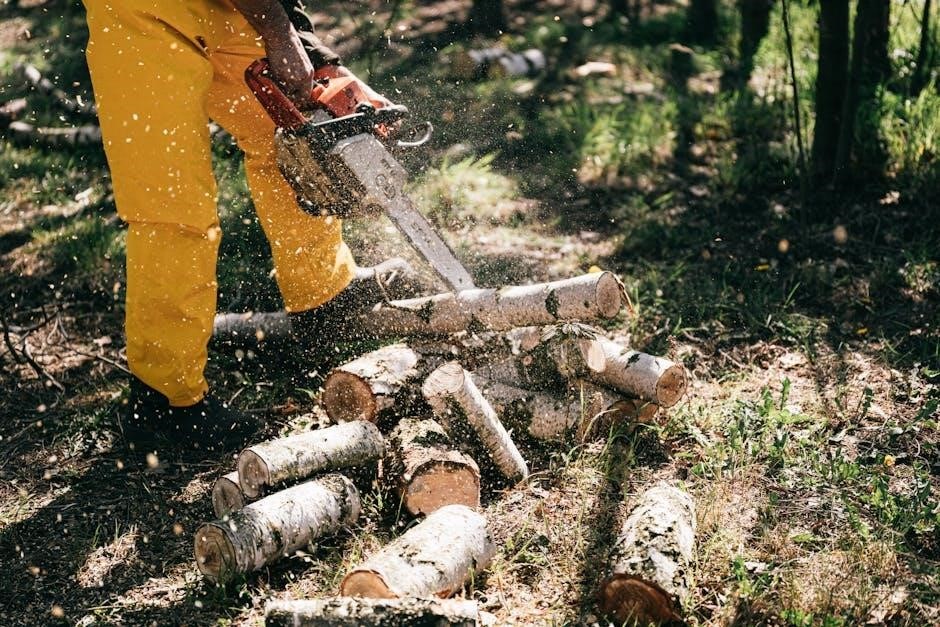
Before operation, confirm all safety devices function correctly. This includes the emergency stop mechanism, ensuring immediate shutdown capability, and the chipper hood interlock, preventing operation with the hood open. Verify proper operation of all guards and shields. Never bypass or disable any safety feature; they are vital for operator protection.
Starting and Stopping the Wood Chipper
Follow the manufacturer’s precise starting procedure, typically involving key ignition and choke settings. Ensure the area is clear before initiating. For safe shutdown, disengage the feed mechanism, allow the engine to idle briefly, then switch off the ignition. Never attempt to stop the chipper abruptly; a controlled shutdown is crucial.
Correct Starting Procedure
Before starting, verify fluid levels and ensure all safety devices are functional. Engage the parking brake and confirm the chipper is on a stable surface. Turn the key to the ‘on’ position, applying the choke if necessary, and initiate the engine. Allow it to warm up before feeding material. Always maintain a safe distance.
Safe Shutdown Procedure
To safely shut down, disengage the feed mechanism and allow the chipper disc/drum to come to a complete stop. Never open the chipper hood while rotating parts are still in motion! Turn the ignition key to the ‘off’ position and remove it. Always ensure the parking brake is engaged before leaving the machine.
Feeding Material into the Chipper
Only feed acceptable materials – primarily wood and branches – into the chipper. Observe the maximum branch diameter specified for your model to prevent jamming. Utilize proper feeding techniques, ensuring a controlled and consistent flow. Never force material; let the chipper do the work. Maintain a safe distance from the infeed opening.
Acceptable Materials
Primarily, wood and branches are suitable for chipping. Avoid materials like rocks, metal, plastics, or treated lumber, as these can damage the blades and chipper housing. Green wood chips more efficiently than dry wood. Ensure all materials are free from nails, wire, and other foreign objects before feeding.
Maximum Branch Diameter
The maximum acceptable branch diameter varies by chipper model; consult your specific machine’s specifications. Exceeding this limit can cause jamming or engine strain. Generally, smaller branches chip more efficiently. For Model 600, adhere to the stated capacity for optimal performance and to prevent potential damage to the cutting mechanism.
Proper Feeding Techniques

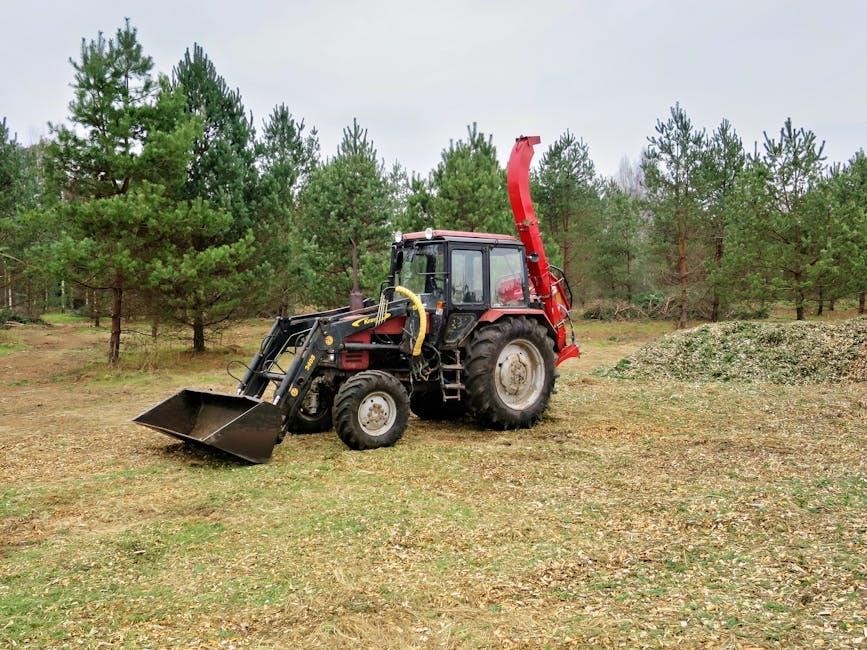
Always feed material into the chipper in a controlled and consistent manner. Avoid forcing branches, as this can lead to jamming and potential kickback. Maintain a safe distance from the infeed opening. The automatic rocker support on some models aids safe maintenance during feeding. Never reach into the chipper while it’s running!
Routine Maintenance Procedures
Consistent upkeep is crucial for optimal performance. After each use, thoroughly clean the chipper to remove debris and wood chips. Regular blade sharpening and eventual replacement are essential for efficient cutting. Inspect hoses and fittings for leaks or damage. Prioritize these steps to ensure long-term reliability and prevent costly repairs.
Regular Cleaning After Each Use
Post-operation cleaning prevents buildup and ensures smooth function. Remove all wood chips and debris from the chipper housing and feed system. A thorough cleaning minimizes wear and tear on internal components. This simple step significantly extends the life of your machine, preventing jams and maintaining optimal chipping performance.
Blade Sharpening and Replacement
Sharp blades are crucial for efficient chipping and operator safety. Regularly inspect blades for wear, damage, or dullness. Sharpening restores cutting efficiency, reducing strain on the engine. When blades are excessively worn or damaged, prompt replacement is essential to prevent jamming and ensure consistent material reduction.
Hydraulic System Maintenance
Maintaining the hydraulic system ensures safe and efficient operation. Regularly check hydraulic fluid levels and inspect hoses and fittings for leaks or damage. Fluid changes, as per the manufacturer’s recommendations, prevent component wear. Proper maintenance guarantees optimal performance and extends the lifespan of the wood chipper’s hydraulic components.
Hydraulic Fluid Checks and Changes
Regularly inspect hydraulic fluid levels using the dipstick, ensuring it’s within the recommended range. Change the fluid according to the manufacturer’s schedule, typically annually or after a specific number of operating hours. Use the correct fluid type to avoid damage. Proper fluid maintenance prevents wear and ensures optimal hydraulic performance.
Hose and Fitting Inspection
Thoroughly inspect all hydraulic hoses and fittings for leaks, cracks, or damage before each use. Replace any worn or damaged components immediately to prevent fluid loss and maintain system pressure. Ensure fittings are tight and secure. Regular inspection is crucial for safe and efficient operation of the hydraulic system.
Engine Maintenance
Consistent engine maintenance is paramount for reliable performance. Regularly check and replace the air filter to ensure optimal airflow. Inspect and replace spark plugs as needed for efficient combustion. Perform scheduled oil changes using the manufacturer’s recommended oil type and frequency. These steps guarantee prolonged engine life and consistent power.
Air Filter Cleaning/Replacement
A clean air filter is crucial for optimal engine function. Inspect the air filter regularly for dirt and debris. Gently clean foam filters with soap and water, ensuring they are fully dry before reinstalling. Paper filters should be replaced when visibly soiled. A restricted air filter reduces engine power and efficiency.
Spark Plug Inspection/Replacement
Regular spark plug inspection ensures reliable engine starting and performance. Check the spark plug for fouling, wear, or damage. Clean with a wire brush if lightly soiled; otherwise, replace with the manufacturer’s recommended plug. Proper gap setting is essential for efficient combustion. A faulty spark plug can cause starting difficulties.
Oil Change Procedures
Regular oil changes are crucial for engine health and longevity. Warm the engine slightly, then drain the old oil completely. Replace the oil filter with a new one, ensuring a tight seal. Refill with the manufacturer’s recommended oil type and quantity. Properly dispose of used oil responsibly, following local regulations.
Troubleshooting Common Issues
Addressing problems promptly prevents further damage. Chipper jamming often requires shutting down and clearing debris. Engine starting issues may stem from a faulty spark plug or low fuel. Unusual noises could indicate blade damage or a failing bearing – investigate immediately for safe operation.
Chipper Jamming
A jammed chipper necessitates immediate shutdown to prevent damage. Never attempt to clear a jam with the engine running! Disconnect the power source and carefully remove obstructing material. Inspect blades for bending or damage after clearing. Prevent jams by feeding appropriate materials and avoiding overloading the chipper’s capacity.
Engine Starting Problems
Difficulty starting often indicates fuel or ignition issues. Check fuel levels, ensuring fresh, stabilized fuel is used, especially after storage. Inspect the spark plug for fouling and replace if necessary. A clogged air filter restricts airflow; clean or replace it. If problems persist, consult a qualified mechanic for diagnosis.
Unusual Noises
Strange sounds during operation signal potential mechanical problems. Grinding noises may indicate blade damage or foreign objects within the chipper housing. High-pitched squeals could stem from belt slippage or bearing failure. Immediately stop the machine and investigate the source; ignoring noises can lead to further damage.
Seasonal Storage
Proper storage protects your wood chipper during off-seasons. Thoroughly clean the unit, removing all debris. Stabilize fuel to prevent degradation during prolonged inactivity. Disconnect the battery to avoid drainage. Store indoors, covered, in a dry location, safeguarding against weather damage and ensuring easy spring startup.
Preparing the Chipper for Long-Term Storage
Before extended storage, a detailed preparation is crucial. Completely clean all wood residue from the housing and feed system. Drain all fuel, or add a fuel stabilizer. Inspect belts and hoses for wear, replacing if needed. Lubricate key components to prevent corrosion during inactivity, ensuring a smooth restart.
Fuel Stabilization
To prevent fuel degradation during storage, utilize a fuel stabilizer. Add the stabilizer to a full fuel tank, then run the engine briefly to circulate it throughout the system. This prevents varnish buildup and ensures easier starting when the chipper is next used, safeguarding the engine’s performance.
Först Wood Chipper Repairs and Reworks
Specialized expertise is crucial for Först wood chipper maintenance. We specialize in Först repairs and reworks, ensuring optimal performance and longevity. Our services cover component replacement, hydraulic system fixes, and engine overhauls, maintaining safety and efficiency. Trust our skilled technicians for all your Först chipper needs.
Drum Chipper Maintenance
Regular drum chipper maintenance is essential for consistent performance. Inspect and maintain the drum, blades, and feed system frequently. Address any jamming promptly and ensure proper blade sharpness. Routine checks of the hydraulic system and engine contribute to safe and efficient operation, extending the chipper’s lifespan.
Model 600 Wood Chipper Specifics
The Model 600 Wood Chipper offers enhanced safety features, including an automatic rocker support for the infeed unit. This design facilitates secure maintenance access. Installation and upkeep require adherence to the contractual schedule. Prioritize regular inspections and follow recommended procedures for optimal performance and longevity of this powerful machine.
Automatic Rocker Support Maintenance
The automatic rocker support system is crucial for safe maintenance on the chipper infeed unit. Regularly inspect the support mechanism for any signs of wear or damage. Ensure smooth operation and proper alignment during routine checks. Lubricate moving parts as needed to prevent binding and maintain optimal functionality, enhancing operator safety.
Preventative Maintenance for Leaf Shredders
Regular preventative maintenance extends the life of your leaf shredder. This includes inspecting and replacing blades or flails when dull or damaged. Thoroughly clean the shredder after each use, removing debris to prevent clogging. Check for loose components and tighten as needed, ensuring safe and efficient operation.
Chipper Repair Tips ⸺ Replacing Blades and Flails
Replacing blades and flails requires caution and the right tools. Always disconnect the power source before beginning. Inspect old blades for wear patterns to inform new blade selection. Ensure proper alignment during installation, and torque bolts to manufacturer specifications. Regularly sharpened or replaced blades maintain optimal chipping performance and safety.