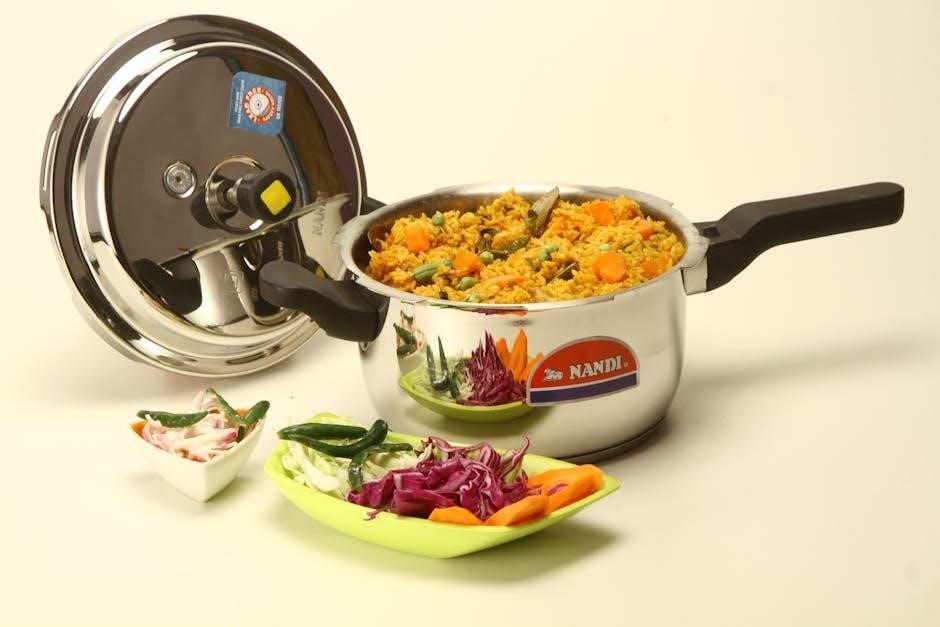
old presto pressure cooker manual
Presto pressure cookers boast a rich history, with manuals often essential for safe and effective use. Finding these vintage guides unlocks a world of culinary possibilities.
Lost manuals are readily available online, including resources like ManualsLib and the Internet Archive, offering free downloads for various Presto models.
Reddit’s r/PressureCooking community also shares valuable resources, like vintage recipe books, aiding enthusiasts in restoring and utilizing these classic cookers.
Historical Significance of Presto Cookers
Presto pressure cookers emerged during a time when home cooking was evolving, offering a faster, more efficient method for food preparation. Their introduction significantly impacted canning practices, enabling safer and more reliable preservation of seasonal harvests.
Early Presto manuals, often accompanying the cookers, weren’t just instruction guides; they were gateways to a new culinary era, teaching techniques previously reserved for experienced cooks. These manuals reflect the societal shift towards convenience and modern kitchen technology.
The enduring popularity of Presto, evidenced by continued searches for vintage manuals, demonstrates their lasting legacy and the quality craftsmanship of these iconic appliances.
Why Locate an Old Manual?
Locating an original Presto pressure cooker manual is crucial for safe operation, especially with older models where modern safety standards differ. These manuals detail specific operating procedures and pressure levels unique to each cooker’s design.
Beyond safety, vintage manuals unlock a wealth of recipes tailored to the cooker’s capabilities, offering a glimpse into past culinary trends. They provide precise cooking times for various foods, ensuring optimal results.
Furthermore, manuals aid in identifying model-specific parts and troubleshooting common issues, extending the lifespan of these durable appliances.

Identifying Your Presto Pressure Cooker Model
Accurate model identification is key to finding the correct manual. Look for stamped numbers on the cooker’s base or lid, crucial for online searches.
Locating Model Numbers on Older Cookers
Pinpointing your Presto cooker’s model number is the first step towards acquiring the correct manual. On older stovetop models, carefully inspect the underside of the cooker body; the number is often stamped directly into the metal.
For older electric cookers, check the base, and also examine the power cord for a small tag containing the model information. Sometimes, the number is subtly placed near the rim of the pot. If these locations yield no results, consult online forums – fellow enthusiasts may offer guidance based on visual characteristics.
Remember, a precise model number ensures you download the appropriate instructions for safe operation.
Dating Your Presto Cooker
Determining the age of your Presto cooker can be tricky, as precise manufacturing dates aren’t always readily available. However, the model number itself often provides clues. Older manuals, archived online, sometimes correlate specific numbers with production years.
Researching the model number on vintage cooking websites or within Reddit communities dedicated to pressure cooking can reveal approximate manufacturing periods. Examining the cooker’s design and features – like the type of gauge or handle – can also offer hints, as Presto evolved its designs over time.
Knowing the age helps understand relevant safety standards.

Where to Find Presto Pressure Cooker Manuals
Numerous online resources offer free Presto manuals, including ManualsLib, the Internet Archive, and the r/PressureCooking subreddit, simplifying your search.
Online Manual Archives (ManualsLib)
ManualsLib stands as a comprehensive online archive, specifically dedicated to hosting a vast collection of user manuals for countless appliances, including numerous Presto pressure cookers. This platform provides easy access to downloadable PDF versions of original instruction booklets.
Users can efficiently locate manuals by searching for specific model numbers or browsing through categorized listings. ManualsLib often features older, discontinued models, making it an invaluable resource for owners of vintage Presto cookers seeking guidance on operation and safety. The site’s interface is user-friendly, facilitating a quick and straightforward search experience.
Internet Archive for Vintage Manuals
The Internet Archive serves as a digital library, offering a wealth of historical documents, including a growing collection of vintage appliance manuals. Searching for “Presto pressure cooker manual” yields results spanning decades, often including scanned copies of original booklets.
This resource is particularly useful for locating manuals for extremely old or obscure Presto models that may not be available elsewhere. The Internet Archive allows users to borrow or download manuals, providing access to valuable information for restoring and safely operating these classic cookers. It’s a treasure trove for enthusiasts!
Reddit Communities (r/PressureCooking)
The r/PressureCooking subreddit is a vibrant online community where enthusiasts share knowledge, tips, and resources related to pressure cooking. Users frequently post links to vintage manuals and recipe books, including those for Presto cookers.
This platform offers a unique opportunity to connect with experienced users who can provide guidance on identifying models, troubleshooting issues, and understanding safe operating procedures. The community’s collaborative spirit makes it an invaluable resource for owners of older Presto appliances.

Understanding Manual Contents
Older Presto manuals detail crucial safety precautions, operating instructions, and pressure cooking times for various foods. These guides ensure safe and effective use.
Safety Precautions in Older Manuals
Vintage Presto manuals heavily emphasize safety, detailing procedures for proper lid sealing and pressure regulation. Users are cautioned against overfilling the cooker, which could cause dangerous steam release.
Manuals stress the importance of regularly inspecting the gasket, vent pipe, and safety valves for wear or damage. They also warn against attempting to open the cooker while pressure remains inside, highlighting the potential for severe burns.
Older guides often include detailed instructions on releasing pressure safely, both naturally and through quick-release methods, emphasizing caution during these processes.
Operating Instructions – Basic Use
Older Presto manuals typically begin with detailed instructions on adding liquid – crucial for generating steam and pressure. Food is then placed on a rack inside, ensuring it doesn’t directly contact the bottom.
The lid is securely fastened, aligning indicators and ensuring a proper seal. The cooker is then heated on the stovetop, allowing pressure to build gradually, indicated by the weight or gauge.
Cooking times vary based on food type and pressure level, as outlined in the manual’s tables. Once complete, pressure is released before safely opening the lid.
Pressure Cooking Times for Common Foods
Vintage Presto manuals dedicate significant space to detailed cooking charts. These tables specify times for meats like beef, pork, and poultry, varying by weight and cut.
Vegetables, including beans, potatoes, and carrots, also have dedicated entries, often with adjustments for different quantities. Fruit processing times for jams and preserves are similarly listed.
Remember, these times are based on specific pressure levels – typically 15 PSI for canning and lower for general cooking. Always consult your manual for accurate guidance.

Specific Presto Cooker Types & Manuals
Presto offers diverse models; manuals vary accordingly. Electric cookers (like 02141) have unique guides, while stovetop canners require different instructions for safe operation.
Weighted gauge models also necessitate specific manual references.
Manuals for Electric Pressure Cookers (e;g., 02141)
Locating manuals for Presto electric pressure cookers, such as the popular model 02141, is often achievable through online archives. The Internet Archive hosts downloadable instruction books, including those for the 6-Quart Programmable Electric Pressure Cooker Plus.
These manuals detail specific functionalities, programming options, and safety protocols unique to electric models. A printed copy can sometimes be directly ordered from Presto, though digital versions are widely accessible. Understanding these guides is crucial for maximizing performance and ensuring safe operation of these convenient appliances.
Manuals for Stovetop Pressure Canners/Cookers
For older Presto stovetop pressure canners and cookers, finding the original manual is vital for safe food preservation. Resources like ManualsLib offer a comprehensive collection of downloadable PDF manuals for various models. These guides detail proper operation, venting procedures, and processing times for canning different foods.
Understanding the specific instructions for your model ensures safe canning practices and prevents potential hazards. Many vintage manuals also include valuable recipes and tips for utilizing your stovetop pressure cooker effectively.
Manuals for Weighted Gauge Models
Older Presto pressure cookers featuring weighted gauge regulators require specific manuals for safe operation. These guides explain how the weight regulates pressure and the importance of proper venting procedures. ManualsLib and the Internet Archive are excellent sources for locating these often-detailed instructions.
Understanding the weight’s function and recognizing appropriate pressure levels is crucial. Vintage manuals provide detailed charts for cooking various foods, ensuring optimal results and preventing potential hazards associated with incorrect pressure settings.
Troubleshooting Common Issues
Old manuals offer solutions for stuck lids, steam leaks, and regulator valve problems. These guides provide diagnostic steps and repair advice for vintage Presto cookers.
Dealing with Stuck Lids
Vintage Presto cooker manuals frequently address the issue of stuck lids, a common frustration for users. They emphasize never forcing the lid open while pressure remains inside – this is a critical safety precaution.
Instead, manuals instruct users to ensure the cooker has fully depressurized, either naturally or through the quick-release method (if the manual permits). Often, a gentle wiggle or tap can help loosen the seal.
If the lid remains stubbornly stuck, the manual may suggest applying a small amount of vegetable oil around the rim to aid in removal, always prioritizing safety and patience.
Addressing Steam Leaks
Old Presto pressure cooker manuals dedicate sections to troubleshooting steam leaks, a frequent concern with older models. Minor steam emission during initial heating is often considered normal, but excessive leakage requires attention.
Manuals typically advise checking the gasket for proper seating and any signs of wear or damage. A worn gasket is a primary cause of leaks and should be replaced.
The lid’s sealing surface should also be inspected for debris or imperfections. Consistent, significant steam leaks indicate a potential safety issue and warrant careful examination before further use.
Understanding Regulator Valve Problems
Old Presto pressure cooker manuals emphasize the critical role of the regulator valve in maintaining safe pressure levels. Issues with this valve are common in vintage cookers, often manifesting as inconsistent pressure or excessive venting.
Manuals detail how to inspect the valve for obstructions, such as food particles or mineral buildup. Cleaning the valve is often the first step in resolving problems.
If the valve remains faulty, the manual may guide users through testing its functionality or recommend replacement. A malfunctioning regulator valve compromises safety and should be addressed immediately.
Pressure Canning with Vintage Presto Cookers
Old manuals are vital for safe canning, detailing precise processing times and pressures for various foods and jar sizes. Always reference your cooker’s manual!
Proper canning practices, as outlined in vintage guides, ensure food preservation and prevent spoilage.
Safe Canning Practices
Utilizing an old Presto pressure cooker for canning demands strict adherence to safety guidelines detailed in its original manual. Always inspect jars for cracks and ensure proper sealing before processing.
Follow recommended processing times precisely, adjusting for altitude as specified in the manual to guarantee adequate heat penetration. Never alter the recipe or reduce processing times, as this can lead to botulism.
Proper venting procedures, as outlined in the manual, are crucial for achieving the correct pressure. Regularly inspect the gasket and vent pipe for wear and tear, replacing them as needed to maintain a safe seal.
Recommended Canning Times (Referencing Manuals)
Your old Presto manual is the definitive guide for safe canning times, varying by food type, jar size, and altitude. Always consult the specific chart within your cooker’s manual, as times differ between models.
Generally, low-acid foods like vegetables and meats require longer processing times at higher pressures than high-acid foods like fruits and pickles. The manual will detail these distinctions clearly.
Remember to adjust processing times based on your elevation; higher altitudes necessitate increased processing to achieve proper sterilization. Never deviate from the manual’s recommendations for optimal safety.
Jar Size and Processing Adjustments
Your vintage Presto manual meticulously outlines adjustments based on jar size – pints, quarts, or half-pints – impacting required processing times. Larger jars naturally need longer to reach sterilization temperatures.
The manual will specify time increases for larger jars, ensuring food safety. Altitude also plays a crucial role; higher elevations demand extended processing times due to lower boiling points.
Always refer to your manual’s altitude adjustment charts. Failure to adjust correctly can lead to under-processing and potential spoilage. Precise adherence to these guidelines is paramount.
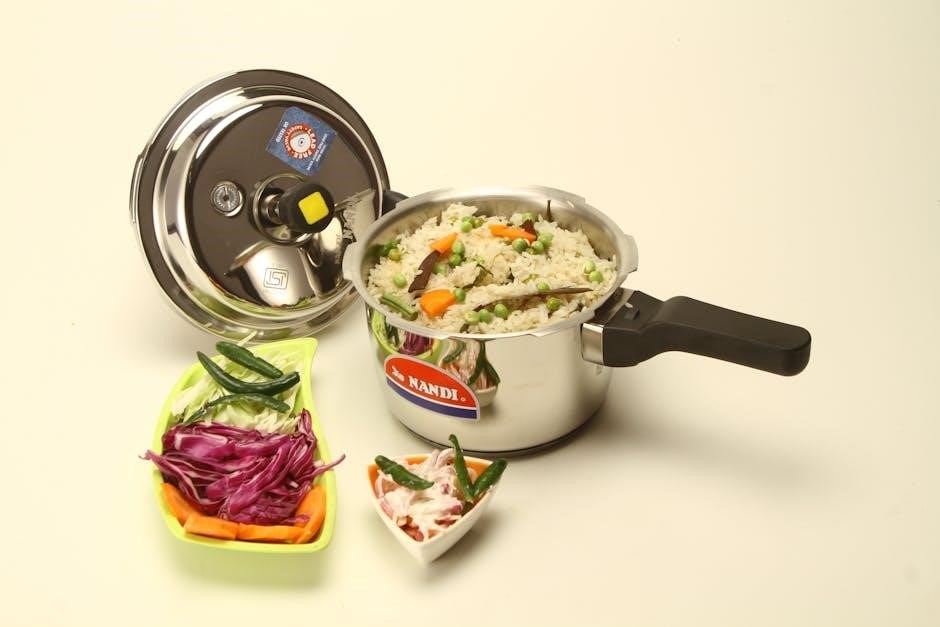
Converting Recipes for Older Models
Older Presto manuals provide foundational pressure cooking knowledge. Modern recipes often require time adjustments due to differing pressure levels and cooker designs.
Consult your manual for pressure level equivalents and adapt cooking times accordingly, prioritizing safety and optimal results.
Adjusting Cooking Times for Modern Recipes
When adapting contemporary recipes for your vintage Presto pressure cooker, careful time adjustments are crucial. Modern recipes frequently assume newer cooker technology and may overestimate required cooking durations.
Refer to your original Presto manual for guidance on pressure levels and corresponding cooking times for similar ingredients. Generally, older models may require slightly longer cooking times than modern electric versions.
Start with a conservative increase of 10-15% to the recommended time and check for doneness. Always prioritize food safety and ensure thorough cooking, especially with meats and vegetables.
Understanding Pressure Levels
Older Presto pressure cookers often utilize weighted gauge systems, indicating pressure through a jiggling weight or a visible gauge. Your manual details specific pressure settings – typically low (around 15 PSI) and high (around 15-16 PSI).
Understanding these levels is vital for safe and effective cooking. Higher pressure cooks food faster, but requires careful monitoring. Lower pressure is ideal for delicate foods.
Modern recipes often specify pressure settings; however, consult your manual to correlate these to your cooker’s gauge readings for accurate results and optimal performance.
Ordering Replacement Parts
Finding compatible parts for older Presto cookers can be challenging, but not impossible. Check Presto’s website for current availability and explore online retailers specializing in vintage appliance parts.
Finding Compatible Parts
Locating replacement parts for vintage Presto pressure cookers requires diligent searching. Often, Presto’s current parts availability is limited to newer models, necessitating exploration of alternative sources. Online marketplaces like eBay and specialized appliance parts retailers frequently stock older components.
Carefully consult your cooker’s manual – if available – to identify the correct part numbers. When a manual isn’t accessible, detailed photographs and precise measurements are crucial for ensuring compatibility. Consider joining online forums and communities dedicated to Presto cookers; fellow enthusiasts can offer valuable guidance and part sourcing tips.
Presto’s Current Parts Availability
Currently, Presto’s direct parts availability primarily focuses on their modern pressure cooker and canning product lines. Sourcing parts for older models can be challenging, as many components are discontinued or no longer manufactured. However, Presto may still stock some common parts like gaskets and seals for certain legacy cookers.
Checking the Presto website or contacting their customer service directly is a good starting point. Be prepared to provide the model number from your cooker’s manual, if available, to aid in the search. For truly vintage or obsolete parts, exploring third-party retailers and online marketplaces becomes essential.
Safety Considerations for Old Cookers
Regularly inspect older Presto cookers for wear and tear, prioritizing gasket and seal replacement. Thorough valve inspection ensures proper function, vital for safe operation.
Inspecting for Wear and Tear
Before each use, a meticulous inspection of your vintage Presto pressure cooker is paramount for safety; Carefully examine the pot for dents, rust, or any signs of metal fatigue, as these can compromise its structural integrity.
Pay close attention to the sealing surfaces, ensuring they are smooth and free from nicks or damage. Inspect the handles and locking mechanisms for any looseness or cracks, as these could lead to accidental openings during operation. A thorough visual check can prevent potential hazards.
Remember, older models may exhibit wear consistent with their age, necessitating more frequent and detailed inspections.
Gasket and Seal Replacement
The gasket and seals are critical components of a Presto pressure cooker, ensuring a proper seal for safe operation. Over time, these rubber parts degrade and lose their elasticity, leading to steam leaks or pressure loss.
Regularly inspect the gasket for cracks, brittleness, or deformation. Your old manual will specify the correct replacement part number for your model. Replacing worn gaskets is a simple yet vital maintenance task.
Ensure the new gasket is properly seated before each use, and always follow the manufacturer’s instructions for installation and care.
Valve Inspection and Maintenance
The pressure regulator valve is paramount for safe operation of your Presto cooker. Old manuals emphasize regular inspection to ensure it’s free from obstructions and functioning correctly. Check for any signs of corrosion or damage to the valve and its components.
Carefully clean the valve according to the instructions in your manual, removing any food particles or mineral deposits. A clogged valve can cause dangerous pressure build-up.
Replace the valve if it’s damaged or doesn’t seal properly, referencing your manual for the correct replacement part.
Resources for Presto Cooker Enthusiasts
Online forums, like Reddit’s r/PressureCooking, and vintage cooking websites offer invaluable support and shared manuals for Presto cooker owners.
Online Forums and Communities
Engaging with online communities dedicated to pressure cooking is incredibly beneficial when researching old Presto cookers and locating manuals. Reddit’s r/PressureCooking subreddit, for example, serves as a vibrant hub where enthusiasts actively share information.
Users frequently post links to downloadable manuals, discuss troubleshooting tips, and even exchange physical copies of vintage documentation. These forums provide a collaborative environment for identifying models, deciphering instructions, and learning about safe operating procedures.
Beyond Reddit, dedicated vintage cooking websites often host manual libraries and discussion boards, fostering a sense of community among Presto cooker aficionados.
Vintage Cooking Websites
Numerous websites specialize in preserving the history of vintage kitchen appliances, offering valuable resources for Presto pressure cooker owners seeking manuals. Sites like hippressurecooking.com curate extensive libraries of downloadable manuals, including those for older Presto models.
These platforms often feature scanned copies of original instruction booklets, recipe books, and parts diagrams, providing a comprehensive archive for enthusiasts.
Beyond manuals, these websites frequently host articles and forums dedicated to vintage cooking techniques, safety guidelines, and restoration tips, enriching the user experience.
Downloading and Printing Manuals
Most manuals are available as PDF files, ensuring broad compatibility across devices. Printing older documents may require adjusting settings for optimal readability.
Consider paper quality and font size for clear instructions, preserving the legacy of your Presto cooker.
PDF Format and Compatibility
The prevalence of PDF (Portable Document Format) ensures widespread accessibility of these vintage Presto manuals across numerous operating systems and devices. This format faithfully reproduces the original document’s layout, preserving crucial diagrams and text formatting.
To view PDF files, you’ll typically need a PDF reader such as Adobe Acrobat Reader, which is available as a free download. Most modern web browsers also have built-in PDF viewing capabilities. Compatibility issues are rare, but ensuring you have an updated PDF reader guarantees a smooth experience.
This standardized format allows for easy sharing and archiving of these valuable resources, keeping the knowledge of older Presto cookers alive for generations.
Printing Considerations for Older Documents
When printing vintage Presto pressure cooker manuals sourced as PDFs, consider paper quality for optimal readability. Older scans may appear faded or have lower resolution, so a brighter paper stock can enhance clarity.
Adjusting printer settings to “fit to page” can prevent content from being cut off, especially with documents originally formatted for different paper sizes. Black and white printing is usually sufficient, conserving color ink.
Binding the printed pages, or using a protective sleeve, will help preserve the manual for frequent reference during cooking and canning adventures.