
3 speed manual transmission floor shifter
Classic vehicles often featured robust 3-speed manual transmissions‚ controlled by a floor shifter for precise gear selection and a connected driving experience.
These shifters‚ like the Hurst Mastershift‚ offered improved feel and reliability over factory options‚ becoming popular upgrades for trucks and vans.
Understanding these systems involves recognizing shift patterns‚ compatibility nuances‚ and potential installation challenges for a smooth and enjoyable restoration.
Historical Context of 3-Speed Manuals
The 3-speed manual transmission reigned supreme during the mid-20th century‚ representing a pivotal era in automotive technology. Before widespread adoption of automatics‚ these transmissions offered a direct connection between driver and machine‚ prioritizing efficiency and driver engagement. Early implementations often featured column-mounted shifters‚ but the move to floor shifters‚ popularized by brands like Hurst‚ signified a performance upgrade.
From the 1950s through the 1980s‚ these transmissions were commonplace in trucks and vans – Chevrolet’s 3-speed‚ Ford’s 333‚ and Saginaw/Muncie units being prime examples. They were valued for their durability and simplicity‚ making them ideal for work vehicles. The Hurst Mastershift‚ appearing in the mid-1950s‚ quickly became synonymous with improved shifting precision and a more spirited driving experience‚ particularly in Chevrolet and Ford trucks.
This era saw a shift from basic transportation to vehicles offering a degree of personalization and performance‚ and the aftermarket shifter played a key role in that evolution.
The Role of the Floor Shifter
The floor shifter fundamentally transformed the driving experience of 3-speed manual vehicles. Moving the shift mechanism from the steering column to the floor provided several advantages‚ most notably increased leverage and precision. This allowed for quicker‚ more deliberate gear changes‚ enhancing both performance and driver control.
Aftermarket shifters‚ like the Hurst Mastershift‚ further refined this experience. They often featured shorter throws and more positive engagement‚ reducing shift times and improving feel. These shifters weren’t merely about speed; they offered a more tactile and connected driving experience.
Crucially‚ the floor shifter required a linkage system connecting it to the transmission. Proper adjustment of this linkage was vital for smooth operation‚ and often a source of troubleshooting for enthusiasts. The shifter became a central component in customizing and optimizing the vehicle’s performance.

Types of 3-Speed Manual Shifters
Three primary types exist: factory original equipment‚ performance-oriented aftermarket shifters like Hurst‚ and versatile Mastershift options for various truck applications.
Hurst Mastershift Shifters
Hurst Mastershift shifters represent a legendary choice for classic truck and van enthusiasts seeking enhanced control and durability; The Hurst 3666809 model‚ for instance‚ demonstrates broad compatibility‚ fitting 1955-68 Chevrolet 1/2-ton trucks with a 3-speed manual.
Furthermore‚ it suits 1969-87 1/2 & 3/4-ton 2WD trucks‚ Suburbans‚ and Blazers utilizing Saginaw or Muncie transmissions – requiring linkage kit 3670006. Ford truck applications from 1963-1987 (with a Ford 333 transmission) are also supported‚ needing linkage kit 3670027.
Notably‚ linkage kits for 1975-1979 Ford Vans are becoming scarce‚ potentially necessitating custom fabrication. Hurst shifters are readily available through vendors like Summit Racing‚ offering a blend of performance and classic style.
Factory Original Shifters
While aftermarket shifters like Hurst gained popularity‚ many vehicles originally equipped with 3-speed manuals featured factory-installed floor shifters. These original components often prioritized simplicity and cost-effectiveness over performance enhancements.
However‚ locating original shifters in good condition can be challenging due to age and wear. Restoration projects frequently involve rebuilding or replacing these units to maintain authenticity.

Compatibility is key; a factory shifter designed for a Chevrolet truck won’t directly fit a Ford‚ necessitating correct parts for the specific vehicle. Troubleshooting issues with original shifters often involves inspecting the linkage rods and levers beneath the vehicle‚ potentially requiring adjustments or even component swaps to achieve proper operation.
Aftermarket Performance Shifters
Aftermarket shifters‚ notably those from Hurst‚ were designed to enhance the driving experience of 3-speed manual transmissions. They offered more precise shifts‚ reduced throw‚ and a firmer feel compared to factory-original options.
The Hurst Mastershift‚ a popular choice‚ was available for both Ford and Chevrolet trucks‚ though specific linkage kits were required for each application. These kits ensured proper geometry and function between the shifter and the transmission.
Installation often involved minor floor pan modifications or fabrication of linkage components‚ particularly for certain Ford van applications where original kits are no longer readily available. Summit Racing carries a variety of these shifters‚ emphasizing quality and performance for vintage transmissions.
Understanding the 3-Speed Shift Pattern
Navigating a 3-speed manual requires familiarity with its unique pattern‚ varying slightly between Ford and Chevrolet‚ and precise location of each gear.
Common Shift Patterns (e.g.‚ Ford‚ Chevrolet)
The 3-speed manual shift pattern isn’t universally standardized; variations exist between manufacturers like Ford and Chevrolet‚ impacting linkage and shifter compatibility. Generally‚ first gear is positioned forward and to the left‚ with second gear directly below it‚ and third further back.
Chevrolet trucks from the 50s-60s typically followed this layout‚ while Ford patterns could differ slightly‚ sometimes requiring adjustments to the linkage for optimal operation. Troubleshooting often involves examining the shift rods underneath the vehicle while someone operates the shifter‚ potentially needing lever flips or swaps on the transmission itself.
These adjustments are crucial because incorrect patterns lead to improper gear engagement. Understanding these nuances is vital during restoration or when swapping transmissions into classic vehicles‚ as floor pan modifications and driveshaft alterations might be necessary to accommodate different setups.
Identifying First‚ Second‚ and Third Gear Positions
Locating each gear within the shift pattern is fundamental for smooth operation. Typically‚ first gear resides forward and to the left‚ providing low-speed torque for starting from a standstill. Second gear is directly below first‚ offering increased speed for acceleration. Third gear‚ positioned further back‚ is designed for cruising at higher speeds.
However‚ variations exist‚ and confirming the correct position is vital‚ especially during restoration. Incorrect identification can lead to frustrating mis-shifts and potential transmission damage. Visualizing the pattern and correlating it with the linkage movement underneath the vehicle aids in accurate identification.
Proper engagement ensures efficient power transfer and a satisfying driving experience. Remember‚ adjustments to the linkage might be necessary to align the shifter with the transmission’s internal gear selection.
Reverse Gear Location and Operation
Reverse gear on a 3-speed manual transmission often presents a unique challenge. Unlike forward gears‚ it typically isn’t directly aligned within the standard shift pattern‚ requiring a specific maneuver for engagement. Commonly‚ it’s accessed by pushing down on the shifter while moving it to the right and rear.
Some systems may incorporate a collar or lockout mechanism to prevent accidental engagement while driving forward. Ensuring complete stop before attempting to engage reverse is crucial to avoid damage to the transmission. A double-check of the linkage is recommended during installation.
Proper operation requires a deliberate and careful motion‚ as forcing the shifter can lead to wear or breakage. Familiarize yourself with your vehicle’s specific reverse gear procedure.

Installation Considerations
Successful installation demands careful attention to vehicle compatibility‚ particularly differentiating between Ford and Chevrolet applications‚ alongside acquiring the correct linkage kit.
Vehicle Compatibility (Ford vs. Chevrolet)
Determining compatibility between the shifter and your vehicle is crucial for a successful installation. The Hurst 3666809 Mastershift‚ for example‚ boasts broad application. It fits 1955-68 Chevrolet 1/2-ton trucks equipped with a Chevrolet 3-speed manual transmission.
Furthermore‚ it’s suitable for 1969-87 1/2 & 3/4-ton 2WD trucks‚ Suburbans‚ and Blazers utilizing a Saginaw (343) or Muncie (351) 3-speed (requiring linkage kit 3670006). For Ford applications‚ this shifter accommodates 1963-1987 Ford 1/2-ton 2WD trucks with a Ford (333) 3-speed transmission (using linkage kit 3670027).
However‚ linkage kits for 1975-1979 Ford Vans may require fabrication as they are no longer readily available‚ demanding resourceful adaptation for a proper fit.
Linkage Kit Requirements
Proper linkage is paramount for accurate gear selection with a 3-speed manual floor shifter. Many aftermarket shifters‚ like the Hurst Mastershift‚ necessitate a dedicated linkage kit for correct operation. For Chevrolet/GM trucks (1969-87)‚ the Hurst linkage kit 3670006 is specifically designed for Saginaw and Muncie 3-speed transmissions.
Ford applications (1963-1987) require linkage kit 3670027 to connect the shifter to the Ford 333 3-speed transmission. It’s vital to confirm the correct kit for your specific transmission.
Notably‚ linkage kits for 1975-1979 Ford Vans are discontinued‚ meaning fabrication of a custom linkage system is necessary‚ adding complexity to the installation process and requiring fabrication skills.

Floor Pan Modifications
Installing a 3-speed manual floor shifter often necessitates alterations to the vehicle’s floor pan. This is particularly true when swapping transmissions or upgrading from a column shifter. The original floor pan opening may not accommodate the base of an aftermarket shifter‚ like a Hurst unit.
Significant modifications‚ potentially requiring cutting and welding‚ may be needed to create a suitable opening. Furthermore‚ when considering a transmission swap – for example‚ installing a different transmission into a Ford truck – a completely different floor pan might be essential.
Expect crossmember and driveshaft adjustments alongside floor pan work‚ as transmission changes impact drivetrain geometry. Careful planning and precise fabrication are crucial for a safe and functional installation.
Troubleshooting Common Issues
Common problems include difficulty engaging gears‚ a loose shifter feel‚ and incorrect linkage adjustment – often resolved by inspecting and adjusting the connecting rods.
Improper Gear Engagement
Difficulty selecting a gear can stem from several sources within the 3-speed manual system. Often‚ the issue lies within the linkage itself – rods may be bent‚ loose‚ or improperly adjusted‚ preventing full transmission engagement.
A helpful diagnostic step involves crawling under the vehicle while someone shifts through the gears‚ carefully observing the movement of the linkage. Look for binding‚ excessive play‚ or any points where the rods aren’t moving smoothly in coordination with the shifter.
In some cases‚ the levers on the transmission itself might need adjustment or even swapping. Furthermore‚ consider that attempting a transmission swap necessitates a different floor pan and potential driveshaft/crossmember modifications‚ adding complexity.
Always ensure proper alignment and secure connections throughout the linkage to guarantee accurate gear selection.
Shifter Looseness
Excessive play in the floor shifter can create a vague and imprecise driving experience‚ impacting gear selection accuracy and overall control. This looseness often originates from worn mounting points‚ either within the shifter itself or where it connects to the transmission linkage.
Inspect the shifter base for any cracked or damaged welds‚ and tighten all mounting bolts securely. If the looseness persists‚ the internal components of the shifter – bushings and detents – may be worn and require replacement.
Remember that a Hurst Mastershift‚ known for its durability‚ still benefits from periodic inspection and maintenance. Addressing shifter looseness is crucial for maintaining the responsiveness and enjoyment of your classic vehicle’s manual transmission.
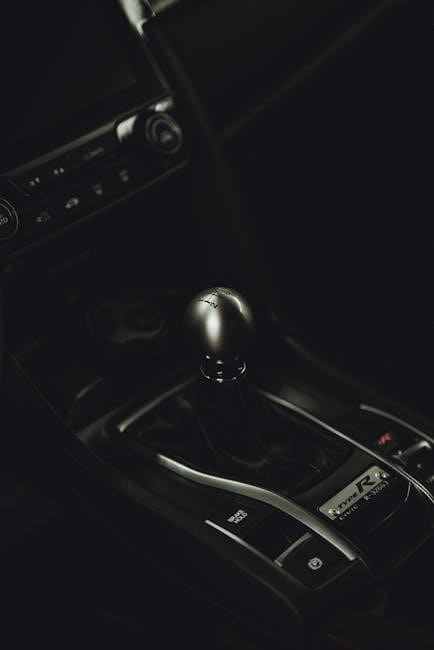
Properly tightened and maintained shifters contribute significantly to a confident and connected driving feel.
Linkage Adjustment
Precise linkage adjustment is paramount for smooth and accurate gear changes in a 3-speed manual transmission. Incorrectly adjusted linkages can lead to difficulty engaging gears‚ missed shifts‚ or even damage to the transmission.
The process typically involves loosening the linkage rod connections at both the shifter and transmission ends‚ allowing for free movement. Have someone shift through the gears while you observe the linkage rods‚ ensuring they align correctly with the transmission levers.
Minor adjustments can be made by slightly bending the rods or tightening/loosening the connection points. Remember‚ flipping or swapping levers on the transmission might be necessary for optimal function. Careful observation and iterative adjustments are key to achieving a precise and reliable shift feel.

Popular Shifter Models & Applications
The Hurst 3666809 Mastershift is widely used in Chevrolet/GM trucks and 1963-1987 Ford trucks‚ requiring specific linkage kits for proper installation.
Hurst 3666809 (Chevrolet/GM Trucks)
The Hurst 3666809 Mastershift is a highly sought-after shifter specifically designed for Chevrolet and GM trucks. It’s compatible with all 1955-1968 Chevrolet ½-ton trucks equipped with a Chevrolet 3-speed manual transmission. Furthermore‚ it fits 1969-1987 ½ and ¾-ton 2WD trucks‚ Suburbans‚ and Blazers featuring either a Saginaw (343) or Muncie (351) 3-speed transmission.
When installing on 1969-1987 models‚ the Hurst 3670006 linkage kit is essential for correct operation. This shifter provides a significant upgrade over factory units‚ offering a more precise and reliable shifting experience. It’s a popular choice for restoration projects and performance enhancements‚ known for its durability and classic aesthetic. Availability can vary‚ but remains a staple for classic GM truck enthusiasts.
Hurst Shifters for Ford Trucks (1963-1987)
Hurst also produced a range of shifters for Ford trucks spanning from 1963 to 1987‚ specifically designed for ½-ton 2WD models. These shifters are compatible with the Ford (333) 3-speed transmissions commonly found in these vehicles‚ offering a performance upgrade over the original factory equipment. The Hurst 3670027 linkage kit is required for proper installation and functionality with these Ford applications.
Notably‚ linkage kits for 1975-1979 Ford Vans utilizing Ford (333 or 339) 3-speed transmissions are unfortunately no longer available‚ necessitating custom fabrication; Hurst shifters for Ford trucks deliver improved shift feel and durability‚ making them a popular choice for restoration and enthusiasts seeking a more engaging driving experience.

Shifter Kits for Ford Vans (1975-1979)
Hurst offered solutions for Ford Van enthusiasts between 1975 and 1979‚ providing shifters compatible with both the Ford (333) and (339) 3-speed transmissions. These shifters aimed to enhance the driving experience‚ offering a more precise and reliable shift action compared to the original factory setups. However‚ a significant challenge exists for restorers today.
The crucial linkage kit (number 3670027) required for proper installation is now discontinued and unavailable for purchase. This means that anyone undertaking a restoration or upgrade for these vans will need to fabricate a custom linkage system‚ adding complexity and requiring fabrication skills. Despite this hurdle‚ the benefits of a Hurst shifter remain appealing.